Hand and finger injuries are among the most common workplace incidents in industries such as oil & gas, construction, logistics, and marine operations. During lifting and rigging activities, workers often place their hands near suspended loads, creating exposure to pinch points and crush hazards.
Traditional hand positioning methods have been widely used for years, but modern safety tools like Fingersaver offer a safer alternative by keeping hands away from danger zones.
Traditional Hand Positioning Risks
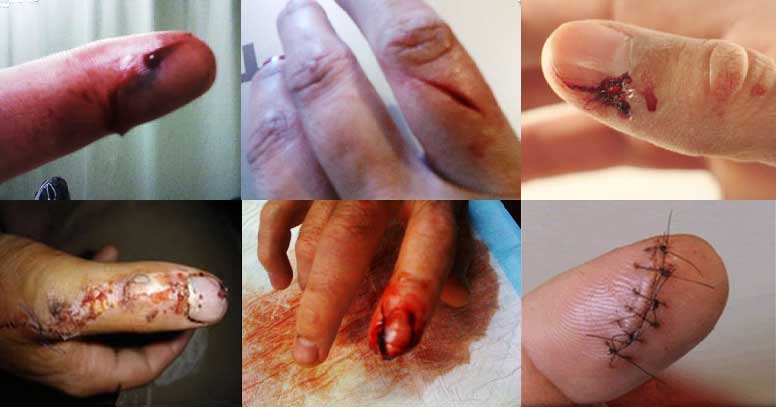
Workers often guide loads manually during lifting operations. While this may seem convenient, it increases the risk of:
- Pinch point injuries
- Crushed fingers
- Hand fractures
- Loss of control during load movement
Even a small shift in a suspended load can cause serious injuries.
Benefits of Using Fingersaver
A Fingersaver acts as an extension of the worker’s arm, allowing loads to be positioned safely without direct hand contact.
Key benefits include:
- Keeps hands away from hazardous areas
- Reduces injury risk
- Improves load control
- Supports hands-free safety procedures
- Suitable for offshore and industrial environments
Which Option is Safer?
When comparing traditional hand positioning to Fingersaver tools, the safety advantages are clear. Fingersaver helps eliminate unnecessary exposure to pinch points while maintaining operational efficiency.

Conclusion
Organizations focused on reducing workplace injuries should consider implementing Fingersaver tools as part of their lifting and rigging safety programs.